New York State Outside the Five Boroughs
How the major regions of New York State compare for a weekend road trip, sorted by drive time and season.
- Flag
-

- ISO code
- US
- Currency
- USD
Road-Tripping the Other 99.5 Percent of New York State
New York State is 54,555 square miles. New York City is a fraction of that. You could fit the entire urban concentration of the five boroughs into the Adirondack Park alone more than 20 times, with room left over for the Catskills and half the Finger Lakes. If your only experience of New York is Manhattan south of 96th Street, you have seen a sliver of the state. Here’s how the other 99.5 percent works for a road trip.
Drive times below are from New York City or Boston.

.jpg)
What Each Region Does Better, and How Long it Takes to Get There
You are starting from New York City or Boston, you have two to four days, and you need to pick one region. The wrong choice buries you in driving time; the right one gives you a coherent trip with minimal wheel time. Here is how they break out by drive-time band, season window, and specialist strength.
Hudson Valley: The 90 to 150 Minute Zone
Drive time from NYC to the riverside towns: 80 minutes on Metro-North, about 90 minutes by car. To Albany: 150 miles, or 2.5 hours if traffic cooperates. This is the region for people who want culture without wilderness. The Hudson Valley does better than any other region the combination of contemporary art and working farms. Dia Beacon is a 300,000-square-foot former Nabisco factory filled with monumental installation art. Storm King Art Center, 90 minutes by car or train-plus-shuttle, is an outdoor sculpture park where the walk between pieces is as composed as the pieces themselves. The fall foliage window runs early to mid-October, which means you get peak color without the High Peaks region's risk of early snow.
What you skip: swimming, serious hiking, solitude. The Hudson Valley is populated and curated. Go here when you want to spend Saturday at a museum and Sunday at a farm stand, not when you want to backpack into a lean-to.
Catskills: The 2 to 3 Hour Zone
Drive time from NYC to the Catskill Park boundary: 2 hours to the southern edge, 2.5 hours to Phoenicia or Woodstock. The region does better than any other a specific kind of retreat: the rural second-home economy with enough restaurants and breweries to make cooking optional. The park itself covers about 705,000 acres, with some 300,000 acres of protected Forest Preserve under the same "forever wild" Article XIV that governs the lands to the north. Slide Mountain, the highest point at 4,180 feet, is a strenuous day hike, not a multi-day commitment.
The season window runs from late May through October, plus a short winter window for downhill skiing at Belleayre or Hunter Mountain. Fall foliage peaks early to mid-October, the same window as the Hudson Valley. The Catskills are not the place for a 50-mile backpacking loop; the Adirondacks beat them there. They are the place for a rental with a fire pit, a hike that ends by lunch, and a dinner reservation.
Adirondacks: The 3.5 to 5 Hour Zone
Drive time from NYC to Lake Placid: 290 miles, about 5 hours without stops. From Albany to Lake Placid: 140 miles, about 2.5 hours. From Boston to the eastern High Peaks: 4 hours. The Adirondack Park is the largest protected area in the contiguous United States outside the national park system, established 1892, with 6.1 million acres split between 2.6 million acres of public land and 3.5 million acres of private land inhabited by about 130,000 year-round residents across 105 towns and villages.
This region does better than any other big wilderness within driving distance of the Northeast Corridor. Mount Marcy at 5,344 feet is the state high point, and the 46 High Peaks above 4,000 feet are a legitimate mountaineering objective, not a nature walk. The "forever wild" clause in the state constitution, effective January 1, 1895, means the public land stays roadless. You walk in or you do not go. The season window is compressed: fall foliage peaks late September to early October, and by mid-October the High Peaks can see snow. Summer is brief and crowded. Winter is for serious cold and serious solitude; Lake Placid's average January low is 5 degrees Fahrenheit.
What you skip: easy access, reliable cell service, fine dining. Go here when you want to be in the woods all day and asleep by nine.
Finger Lakes: The 4 to 5 Hour Zone
Drive time from NYC to Ithaca: 225 miles, about 4 hours. From Albany to Ithaca: 165 miles, about 3 hours. The eleven major lakes run north-south like claw marks, with Cayuga Lake the longest at 38.1 miles and Seneca Lake the deepest at 618 feet. The Finger Lakes do better than any other region the pairing of wine and water. The lake-effect moderation creates a microclimate that supports vineyards on east-facing slopes, particularly around Seneca and Cayuga. The gorges at Watkins Glen State Park, 2 miles of trail past 19 waterfalls, outperform any equivalent hike in the Catskills for sheer density of water features.
Season window: May through October, with peak lake season in July and August. Harvest season for the wineries runs September through October. The region is not a wilderness destination; it is a pastoral landscape with clear recreational targets. Letchworth State Park, 14,427 acres with a gorge up to 600 feet deep, is a 90-minute drive west of Ithaca and is the best single-day park visit in the state outside the High Peaks region.
Western New York: The 5.5 to 7 Hour Zone
Drive time from NYC to Niagara Falls: 400 miles, about 6.5 hours without traffic. From Albany to Niagara Falls: 290 miles, about 4.5 hours. Western New York does better than any other region two things that no other part of the state can claim: the oldest state park in the United States, and serious snow. Niagara Falls State Park was established in 1885, predating the national park system. The American Falls drop 70 to 110 feet; the Horseshoe Falls drop 167 feet. The flow rate averages 85,000 to 100,000 cubic feet per second.
The other thing Western New York owns is winter. Buffalo averages 95 inches of snow annually, Syracuse 124 inches. The lake-effect bands are real and they can shut down highways for hours. Go here for the falls, for Buffalo's food revival (wings at Anchor Bar or Duff's, beef on weck), and for the history of the Erie Canal in places like Lockport. Do not go here for a trip from NYC unless you are willing to spend seven hours each way in the car. This is a long-weekend or fly-in destination.
Three Ruins You Should Know About, and Whether You Can Enter
New York State has a genuine abandoned-site culture, mostly from the collapse of the Erie Canal economy and the decline of upstate manufacturing. Three sites come up repeatedly in trip planning. Know the legal status before you drive to any of them.
The Borscht Belt hotels of the Catskills: Grossinger's, the Concord, Kutsher's. These are private property. Some buildings have been demolished. Others stand derelict on land owned by holding companies or local municipalities. Entry without permission is trespassing. Do not climb fences. Do not post GPS coordinates on social media. The few remaining structures are unstable and patrolled irregularly but enough to earn you a ticket or a warning. Photograph them from the public road shoulder. That is as close as you can legally get.
Letchworth State Park's abandoned railroad trestles: several stone arch bridges and a ghost station within the park boundary. These are on public park land and open to visitors. Walk the Genesee Valley Greenway trail directly under the Portageville Bridge and see the remnant of the original Erie Railroad route. No fee, no ticket, no restriction beyond normal park hours.
The abandoned village of Tahawus in the High Peaks wilderness: a former iron-mining community, now inside the Forest Preserve. The site is open to the public on foot. Hike the old road and see the ruins of the blast furnace, the clubhouse, and the workers' cabins. No entrance fee, no permit required for day use. Do not take artifacts. The site is State Land and removal of anything is theft under Environmental Conservation Law.


How the Seasons Dictate Your Choice
The seasonal window is the single biggest factor in a road trip from the city. Drive time matters, but show up in the wrong month and your outdoor destination is closed or miserable.
Fall: The Prime Window
Late September to early October: the High Peaks and Catskills are at peak foliage. Book lodging six weeks ahead. Mid-October to late October: the Hudson Valley peaks. The Finger Lakes are still viable but the wineries are packed.
Winter and the Thaw
November: the mountains go quiet. Many seasonal restaurants close after Thanksgiving. The Finger Lakes and Hudson Valley remain open but subdued. December through February: Western New York owns the winter sports calendar. The High Peaks are for cold-weather hikers with proper gear. The Catskills have downhill skiing. March and April: mud season everywhere. Trails are soft, roads are potholed, and many attractions run reduced hours.
Summer's Full Swing
May: the Finger Lakes and Hudson Valley come back. The High Peaks still have snow at elevation. June through August: peak season everywhere. Some High Peaks trailheads require permits. Expect crowds at Lake Placid, Watkins Glen, and Niagara Falls.
Places in New York
-
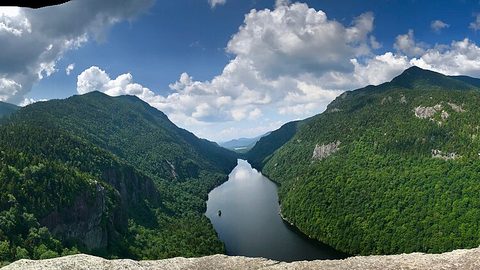 Adirondacks
Adirondack towns and trailheads sorted by drive time from NYC and Boston, with black fly and mud season windows.
Adirondacks
Adirondack towns and trailheads sorted by drive time from NYC and Boston, with black fly and mud season windows.
-
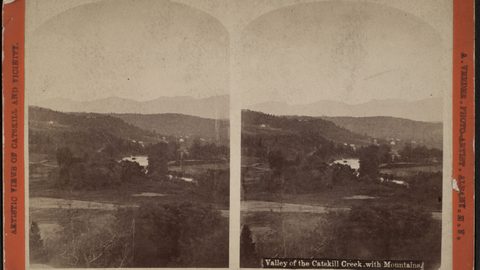 Catskills
 towns and hikes ranked by real Friday-afternoon drive time from Manhattan, with season windows.
Catskills
Catskills towns and hikes ranked by real Friday-afternoon drive time from Manhattan, with season windows.
-
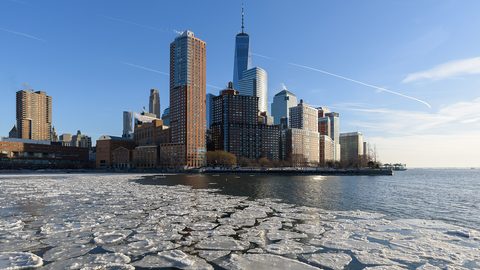 New York City
The weekend starts when you clear the merge. How to leave New York City by car on a Friday and get back in on Sunday without losing hours.
New York City
The weekend starts when you clear the merge. How to leave New York City by car on a Friday and get back in on Sunday without losing hours.
-
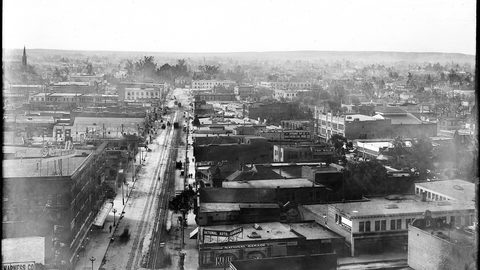 Saratoga Springs
 is more than a six-week racing meet. Here is a year-round weekend built on mineral baths, walkable streets, and a drive that works from both New York City and Boston.
Saratoga Springs
Saratoga Springs is more than a six-week racing meet. Here is a year-round weekend built on mineral baths, walkable streets, and a drive that works from both New York City and Boston.
More on New York
-
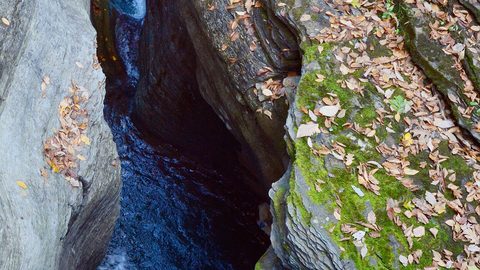 New York State Parks That Outshine the Famous Ones, With Drive Times
New York's best state parks rival the national names but come with smaller crowds and shorter drives—here are the ones worth the car trip from NYC or Boston.
New York State Parks That Outshine the Famous Ones, With Drive Times
New York's best state parks rival the national names but come with smaller crowds and shorter drives—here are the ones worth the car trip from NYC or Boston.
-
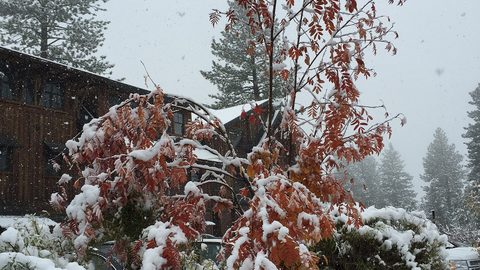 Northeast Fall Foliage Routes Without the Traffic Jams
Skip the bumper-to-bumper leaf-peeping circuits and take these New York and New England back roads instead, with drive times and seasonal windows.
Northeast Fall Foliage Routes Without the Traffic Jams
Skip the bumper-to-bumper leaf-peeping circuits and take these New York and New England back roads instead, with drive times and seasonal windows.
-
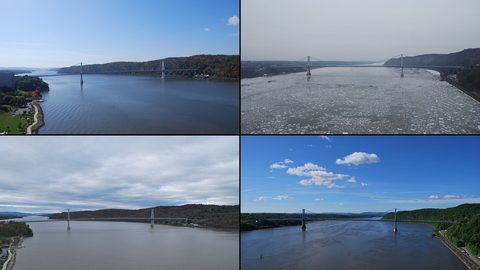 Hudson Valley Weekend: The Closest Good Escape From New York City
The Hudson Valley is the closest real weekend to NYC. A two-day car loop through Beacon, Cold Spring, and Hudson with drive times and seasonal windows.
Hudson Valley Weekend: The Closest Good Escape From New York City
The Hudson Valley is the closest real weekend to NYC. A two-day car loop through Beacon, Cold Spring, and Hudson with drive times and seasonal windows.
-
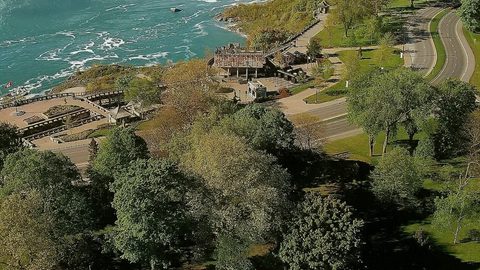 Niagara Falls New York Side or Ontario Side: The Border Decision
The New York side gives you the state park; the Ontario side gives you the panoramic view. A two-day comparison with drive times from NYC and Boston.
Niagara Falls New York Side or Ontario Side: The Border Decision
The New York side gives you the state park; the Ontario side gives you the panoramic view. A two-day comparison with drive times from NYC and Boston.
-
 Adirondack Walks That Are Not the High Peaks and Do Not Require a Map
Short, flat Adirondack walks on maintained trails that require no summit ambition, with drive times from New York City and Boston and black-fly season noted.
Adirondack Walks That Are Not the High Peaks and Do Not Require a Map
Short, flat Adirondack walks on maintained trails that require no summit ambition, with drive times from New York City and Boston and black-fly season noted.
-
 Adirondacks or Catskills for a Weekend From New York City
The Adirondacks are bigger, wilder, and further. The Catskills are closer, scrappier, and easier. A two-day weekend comparison with drive times from NYC.
Adirondacks or Catskills for a Weekend From New York City
The Adirondacks are bigger, wilder, and further. The Catskills are closer, scrappier, and easier. A two-day weekend comparison with drive times from NYC.
Common Questions
Which region is best for someone who has never left New York City for a weekend?
The Hudson Valley. 90 minutes door to door on Metro North, you get Dia Beacon or Storm King, and you are back in the city by Sunday evening without fighting traffic.
Can I visit the Adirondacks for a weekend from New York City?
Yes, but it is tight. Five hours each way leaves you one full day on the ground. Stay in Lake Placid or Keene Valley. Leave by 6 AM Friday, return by 4 PM Sunday.
What is the most overrated weekend trip from New York City?
The Hamptons in August. Traffic on the Long Island Expressway can exceed three hours each way and overnight rentals cost as much as a hotel in Midtown. Go in May or September, or skip it.
Is it worth driving seven hours to Niagara Falls for a weekend?
Only if you fly. The drive from New York City is 400 miles. Do it as a three-day trip or book a flight to Buffalo Niagara International Airport. The falls themselves are worth it. The drive is not.
What is the easiest way to see fall foliage without hiking?
Drive the Hudson Valley on Route 9 or the Taconic State Parkway in early to mid October. Stop at a farm stand in Columbia County. No hiking required, peak colors from the car window.
Are the Borscht Belt ruins open to the public?
No. They are on private property. Entering is trespassing, a class B misdemeanor in New York State. Some buildings are actively monitored. Skip them and visit the Catskills for the hiking and towns instead.
Which region has the best food for a food-focused weekend?
The Finger Lakes, specifically around Ithaca and Geneva. Farm-to-table restaurants, wineries, and distilleries are the entire economy. The Hudson Valley has good food too but it is more spread out between towns.
Read next
-
 New York State Hotels for the Foliage Premium Weekend
New York State hotels for a weekend, from Adirondack great camps to Catskills motels, with foliage-season premium windows that shift every autumn.
New York State Hotels for the Foliage Premium Weekend
New York State hotels for a weekend, from Adirondack great camps to Catskills motels, with foliage-season premium windows that shift every autumn.
-
 Where to Stay in New York State for a Weekend Base
Choose a New York State weekend base town by drive time from NYC or Boston, diner availability, and seasonal windows that determine whether you get foliage or black flies.
Where to Stay in New York State for a Weekend Base
Choose a New York State weekend base town by drive time from NYC or Boston, diner availability, and seasonal windows that determine whether you get foliage or black flies.
-
 Flying In for a Northeast Weekend and Which Airport Saves the Drive
Which New York airport to fly into for a weekend road trip, ranked by how much drive time each one saves you.
Flying In for a Northeast Weekend and Which Airport Saves the Drive
Which New York airport to fly into for a weekend road trip, ranked by how much drive time each one saves you.
-
 New York State Weekend Drives Worth the Fuel Gauge
New York State weekend drives ranked by honest distance from New York City and Boston, with seasonal windows for foliage, black flies, and mud season that shift each year.
New York State Weekend Drives Worth the Fuel Gauge
New York State weekend drives ranked by honest distance from New York City and Boston, with seasonal windows for foliage, black flies, and mud season that shift each year.
-
 Best Time to Visit New York State for a Weekend Drive
Find the right weekend window for New York State, with foliage, black fly, and mud season timing that shifts year to year, plus the honest case for November and April.
Best Time to Visit New York State for a Weekend Drive
Find the right weekend window for New York State, with foliage, black fly, and mud season timing that shifts year to year, plus the honest case for November and April.
-
 Driving the Northeast for a Weekend Without Losing Friday
Which Northeast roads work for a Friday escape from New York City or Boston, with honest drive-time bands and seasonal hazard windows that shift each year.
Driving the Northeast for a Weekend Without Losing Friday
Which Northeast roads work for a Friday escape from New York City or Boston, with honest drive-time bands and seasonal hazard windows that shift each year.
-
Catskills
Catskills towns and hikes ranked by real Friday-afternoon drive time from Manhattan, with season windows.
-
New York City
The weekend starts when you clear the merge. How to leave New York City by car on a Friday and get back in on Sunday without losing hours.
-
Adirondacks
Adirondack towns and trailheads sorted by drive time from NYC and Boston, with black fly and mud season windows.