A Saratoga Springs Weekend Beyond the Track
Saratoga Springs is more than a six-week racing meet. Here is a year-round weekend built on mineral baths, walkable streets, and a drive that works from both New York City and Boston.
- Flag
-

- ISO code
- US
- Population
- 27,765
- Currency
- USD
- Timezone
- America/New_York
A Saratoga Springs Weekend Beyond the Track
You know Saratoga Springs only as a racing town, which means you have written it off for the other 46 weeks of the year. Stop doing that. The six-week Saratoga Race Course meet is the most famous thing about the place, but it is also the worst time to visit: 50,000 people crowd the track, hotel rates triple, and every table at dinner requires a reservation made before the first race. The other nine months deliver a cheaper, easier version of the same town, and that version is the one worth the drive.
From New York City the drive runs roughly three and a half hours, 190 miles up the Adirondack Northway. From Boston it is about three hours, 180 miles west on I-90 and north on I-87. Both trips land you in a walkable downtown of 28,000 year-round residents, a 2,379-acre state park, and 17 active springs you can taste for free. You have two days and a car. Here is how to use them outside July and September.

.jpg)
Why Autumn, Winter, and Spring Work Better
Peak foliage turns the 12.5-mile Avenue of the Pines inside Spa State Park into a tunnel of orange and red with no traffic. The show lands sometime in the middle two weeks of October. November empties the town further: Skidmore College has settled in, the Philharmonic and New York City Ballet have left the Saratoga Performing Arts Center, and you can walk into any of the over 30 restaurants on Broadway without a wait. December brings holiday lights along the main drag and free water that comes out of the ground at 52 degrees year round. Cold does not affect the springs.
January and February are genuinely quiet. The Roosevelt Baths and Spa, operated by the Gideon Putnam Resort inside the park, runs winter discounts on soaks in the same water the Victorians came for. March and April bring mud season and lower hotel rates still. The trade-off for visiting outside summer is that SPAC is closed: its resident companies perform only late May through early September, and the amphitheater lawn is not open for picnics in January. You trade a concert for a parking spot two blocks from your hotel. That is a fair exchange.
What Stays Open In The Cold Months
The springs never shut down. All 21 public springs remain accessible year round. The Hall of Springs, built in 1915, operates as an event venue and is not open for casual walk-ins, but the exterior and surrounding paths are public. The Saratoga Springs History Museum, housed in the former Canfield Casino in Congress Park, runs limited winter hours but stays open. Yaddo, the artists retreat founded in 1900, opens its gardens to the public free from dawn to dusk every day. The artist residency buildings are private property. The grounds paths are yours to use.
Grant's Cottage sits at about 1,000 feet on Mount McGregor, a 15-minute drive from downtown. This is where Ulysses S. Grant died on July 23, 1885. It opens late May through mid-October, so a winter visit means you view the exterior from the road. The cottage is a state historic site and is worth the detour only during the open season: the interior holds the room where Grant finished his memoirs. Outside those months, skip it.
Two Days on the Ground
Arrive Friday evening or Saturday morning. Park your car at the hotel and do not touch it again until you leave. The downtown core is compact. Every spring, restaurant, and gallery sits within a one-mile radius.
Start Saturday at Congress Park. This is where you find the most concentrated cluster of public springs: the Congress Spring, the Columbian Spring, the Hathorn Spring. Bring a reusable cup or buy a tin cup from the Saratoga Springs Visitor Center on Broadway. Each spring tastes different. The carbonation level, salt content, and sulfur smell vary spring to spring. Taste four or five. You do not have to like them. The point is that they are free, they have been flowing since before the racetrack existed, and they are the reason the town is here.
From the park walk east to Broadway for lunch. Do not pick the first restaurant you see. Walk the full eight blocks of the commercial strip and read the menus. The 30-plus restaurants on Broadway include barbecue, ramen, wood-fired pizza, and the cliche-free farm-to-table spots you came for. Budget for lunch at $20 a person. Anything claiming to be a deal is likely a frozen patty.
Afternoon: Spa State Park Or Skidmore
Two options for the afternoon. Pick one. Option one: drive the three minutes to Spa State Park. Walk the 2,379 acres on the carriage trails. Book a bath at the Roosevelt Baths. The rate for a 40-minute soak is published by the Gideon Putnam and runs roughly $45 to $60 depending on add-ons. Book two weeks ahead on a weekend, one week ahead on a weekday. Option two: walk across downtown to the Skidmore College campus, founded 1903. The Tang Teaching Museum shows contemporary exhibitions for free. The campus itself is a mix of original 1900s buildings and modern glass. It takes 45 minutes to walk through.
Do not try both. Spa State Park requires at least three hours to feel worth the drive. Skidmore is a quick stop. Combining them means rushing both.
Dinner Saturday demands a reservation. Even in January, the 10 best restaurants on Broadway fill up. Call ahead on Thursday, not Saturday afternoon. After dinner, walk the springs again by dark. Congress Park is lit. The water tastes different at night.
Sunday: The Second Morning
Sunday morning: breakfast at a diner or a bakery, then one last spring tasting. The High Rock Spring, the first one Europeans found, sits near the corner of Rock and High Rock Avenue. It is a stone grotto built in the 1900s. It tastes heavily of iron.
If you have time before the drive home and it is between late May and mid-October, Grant's Cottage is the one outlying stop that justifies the car. Otherwise, drive to the Saratoga Lake overlook on Route 9P. Five minutes out of town. No fee. No crowds. You see the water and the low Adirondack mountains beyond. Then you leave.


The One Thing You Should Skip
The Saratoga Automobile Museum. It is housed in the former bottling plant inside Spa State Park. The collection is small. The entry fee, about $12, is not high, but the time cost is disproportionate. You came for a town built on springs and horse racing, not a single room of vintage Corvettes. If cars are your genuine interest, you already know this museum exists. If not, walk past it to the springs.
More destinations in New York
What to See in Saratoga Springs
Common Questions
Can I visit the racetrack when the meet is not running?
Yes. The Saratoga Race Course grounds are open for free self-guided tours outside the meet. The track itself is closed for training, but you can walk the grandstand and the paddock. Check the NYRA website for the off-season schedule.
Are all the springs safe to drink?
Yes. The 17 actively maintained public springs are tested regularly by the state. The water comes from a deep aquifer and is naturally carbonated. Taste each one. Some taste like flat soda, some like pennies. None will hurt you.
Do I need a car?
No, but it helps. Amtrak serves the Saratoga Springs station on the Ethan Allen Express and Adirondack lines. From New York Penn Station it is about 3 hours 30 minutes. From Albany-Rensselaer it is 25 minutes. Without a car you lose Grant's Cottage and Saratoga Lake.
What is the best weekend for fall foliage?
The second and third weeks of October. The maples and oaks peak then. Book hotel rooms by August 1. The town fills with leaf peepers from New York City and Montreal. Restaurants fill up. The springs do not.
Read next
-
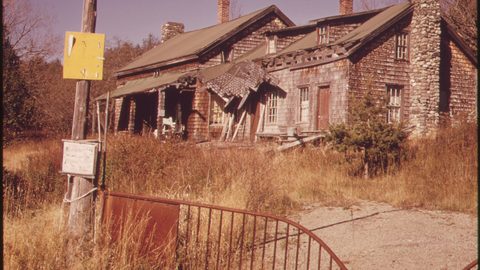 Saratoga Homestead Sanatorium
The Saratoga County Homestead was a tuberculosis sanatorium. It is private property today, entry is a criminal offence, and this page tells its story from the outside.
Saratoga Homestead Sanatorium
The Saratoga County Homestead was a tuberculosis sanatorium. It is private property today, entry is a criminal offence, and this page tells its story from the outside.
-
 New York State Hotels for the Foliage Premium Weekend
New York State hotels for a weekend, from Adirondack great camps to Catskills motels, with foliage-season premium windows that shift every autumn.
New York State Hotels for the Foliage Premium Weekend
New York State hotels for a weekend, from Adirondack great camps to Catskills motels, with foliage-season premium windows that shift every autumn.
-
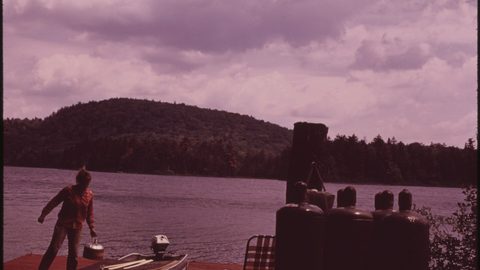 Where to Stay in New York State for a Weekend Base
Choose a New York State weekend base town by drive time from NYC or Boston, diner availability, and seasonal windows that determine whether you get foliage or black flies.
Where to Stay in New York State for a Weekend Base
Choose a New York State weekend base town by drive time from NYC or Boston, diner availability, and seasonal windows that determine whether you get foliage or black flies.
-
 Flying In for a Northeast Weekend and Which Airport Saves the Drive
Which New York airport to fly into for a weekend road trip, ranked by how much drive time each one saves you.
Flying In for a Northeast Weekend and Which Airport Saves the Drive
Which New York airport to fly into for a weekend road trip, ranked by how much drive time each one saves you.
-
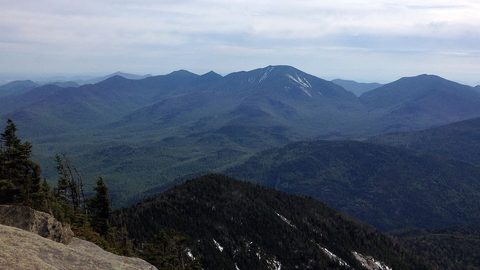 New York State Weekend Drives Worth the Fuel Gauge
New York State weekend drives ranked by honest distance from New York City and Boston, with seasonal windows for foliage, black flies, and mud season that shift each year.
New York State Weekend Drives Worth the Fuel Gauge
New York State weekend drives ranked by honest distance from New York City and Boston, with seasonal windows for foliage, black flies, and mud season that shift each year.
-
 Best Time to Visit New York State for a Weekend Drive
Find the right weekend window for New York State, with foliage, black fly, and mud season timing that shifts year to year, plus the honest case for November and April.
Best Time to Visit New York State for a Weekend Drive
Find the right weekend window for New York State, with foliage, black fly, and mud season timing that shifts year to year, plus the honest case for November and April.
-
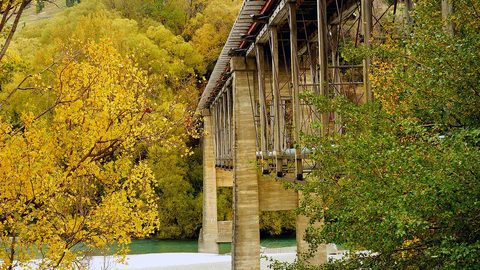 Driving the Northeast for a Weekend Without Losing Friday
Which Northeast roads work for a Friday escape from New York City or Boston, with honest drive-time bands and seasonal hazard windows that shift each year.
Driving the Northeast for a Weekend Without Losing Friday
Which Northeast roads work for a Friday escape from New York City or Boston, with honest drive-time bands and seasonal hazard windows that shift each year.
-
 Catskills
 towns and hikes ranked by real Friday-afternoon drive time from Manhattan, with season windows.
Catskills
Catskills towns and hikes ranked by real Friday-afternoon drive time from Manhattan, with season windows.
-
 New York City
The weekend starts when you clear the merge. How to leave New York City by car on a Friday and get back in on Sunday without losing hours.
New York City
The weekend starts when you clear the merge. How to leave New York City by car on a Friday and get back in on Sunday without losing hours.