The Roads That Matter and the Ones That Ruin a Friday
Which Northeast roads work for a Friday escape from New York City or Boston, with honest drive-time bands and seasonal hazard windows that shift each year.
Friday Escape Routes and the Highways That Trap You
At 14:15 on a Friday, the Cross Bronx Expressway is already a parking lot from the George Washington Bridge to the Throgs Neck. That is not a forecast. It is a schedule. Friday afternoon traffic out of New York City peaks from 14:00 to 20:00. Boston is no better: its crush runs 15:00 to 19:00. The question is not whether you will hit congestion. It is which route robs you of the least time. Drive time bands from both cities to the mountains and lakes that Northeast residents actually escape to reveal the roads that strand you at 4pm on any route north or west.
The New York City Exodus: Roads That Work and Roads That Do Not
Leave New York City before 13:00 or wait until after 20:00. Attempt a departure from 14:00 to 20:00 and you pay an extra hour to the George Washington Bridge, the Tappan Zee Bridge replacement, and the Cross Bronx alone. The Thruway (I-87/I-90) is tolled, flat, and straight, with service plazas every 30 to 40 miles, but its southern entry points in the Bronx stack traffic so severely that the first leg of your trip costs you more time than the remaining 200 miles.
Northway or Taconic For The Adirondacks
For the Adirondacks, two roads compete. The Adirondack Northway (I-87 from exit 1 in Queens to exit 43 in Champlain, 176 miles) is a divided interstate, patrolled heavily, with a 65 mph speed limit outside cities. It gets you to Lake George in roughly 4 hours from Manhattan if you leave at 06:00. By 15:00 on Friday, that same trip takes 5.5 hours. The Taconic State Parkway runs 104 miles from I-287 in Westchester to the Thruway near Chatham. Speed limit is 55 mph, no trucks, narrow lanes, limited shoulders, and almost no services. It is 15 to 20 minutes slower than the Thruway-Northway combination in free-flowing conditions, but it holds its speed better under congestion because Westchester and Putnam County drivers stay off it. If you leave New York from 14:00 to 16:00, take the Taconic. If you leave before 13:00 or after 20:00, take the Thruway to the Northway.
Route 17 For The Catskills
Route 17 from the New Jersey border to Binghamton is the main road into the Catskills. The issue is that it mixes expressway and two-lane segments, and it meets I-87 at the Harriman tolls where every New Jersey and New York driver converges. The half-hour from 15:00 to 15:30 sees the Harriman interchange jammed solid. The workaround: take I-84 west from the Thruway to Route 17 further north, bypassing the collision point. Add 10 miles. Save 40 minutes on a Friday.
I-95: The One To Skip
I-95 in New York State is only 23 miles long, but those miles include the Cross Bronx Expressway. Never take I-95 from New York City to Boston on a Friday. The trip regularly hits 5 hours for a drive normally done in 3.5. Use the Metro-North New Haven Line to Stamford and rent a car there, or take Amtrak Northeast Regional and rent in New Haven. Or skip the car entirely: Amtrak from Penn Station to Boston South Station runs roughly 3.5 to 4 hours and is cheaper than tolls and fuel combined once you factor in parking.

.jpg)
The Boston Departure: Which Highway Loses You the Lease
Boston has the same problem with a smaller set of roads. The Mass Pike (I-90 from the New York state line to Boston) is the only direct route west. Traffic toward the city on Friday is lighter than away, but the westbound exodus to the Berkshires and beyond peaks 15:00 to 19:00. The failure point is the I-93 interchange at exit 26, where Boston workers heading to Newton and Weston merge with long-distance traffic. Depart before 14:00 and you hit the Berkshires in under 3 hours. Depart after 19:00 and you still do. In that middle window, budget 4 hours minimum to reach the New York state line. Driving time from Boston to the Berkshires runs roughly 2.5 to 3 hours in clear conditions.
The Alternative: Route 2
From western Boston suburbs, drive to Route 2 west, which runs from Cambridge to the New York state line near Williamstown. It is two lane, slow through towns, and subject to leaf peeper traffic in October, but it avoids the Mass Pike toll and the I-93 mess entirely. On a Friday, Route 2 is a solid 45 minutes slower in distance but often 30 minutes faster in actual travel time. Do not attempt this route if rain or snow is forecast; its unlit, winding sections through the Mohawk Trail become dangerous at night.
If You Are Going To Vermont Or New Hampshire
I-93 north from Boston to New Hampshire and Vermont is the standard route. Friday congestion concentrates between the Massachusetts border and Manchester, New Hampshire, roughly 16:00 to 18:00. Leave Boston by 14:00 and you clear it. Leave at 17:00 and you sit in the I-93 construction zone south of the Hooksett tolls. The alternative is US 3 from Burlington, Massachusetts to Nashua, New Hampshire, a local road that moves slowly but never stops entirely the way I-93 does.
| Route | Normal Time to Albany Area | Friday 15:00 Departure Time | Best Use Case |
|---|---|---|---|
| Thruway (I-87) to Northway (I-87) | 2.5 hours | 3.5 to 4 hours | Leaving before 13:00 or after 20:00 |
| Taconic State Parkway to Thruway | 2.75 hours | 3 hours 15 minutes | Leaving between 14:00 and 16:00 |
| Route 17 via I-84 west | 2 hours to Monticello | 2.5 hours | Bypassing Harriman interchange 15:00 to 15:30 |
| I-95 to Boston | 3.5 hours | 5 to 6 hours | Do not use on a Friday |


Seasonal Hazards: No Fixed Dates, Only Shifting Windows
Black ice on the Taconic starts around late October, but the exact week depends on a single overnight freeze after rain. The Taconic is narrow, unlit, and has no shoulders. A patch of black ice on the stretch north of Millbrook turns a 55 mph road into a slide. If the forecast shows above-freezing temperatures during the day and a drop below freezing after dusk, postpone a Taconic drive until 10:00 the next morning. The Thruway and Northway are salted aggressively, but the Adirondack Northway has a 72-mile stretch with no 24-hour fuel. If you hit that stretch on a winter evening below 10 degrees, a low tank and a stopped car is a safety risk, not an inconvenience.
Mud Season And Leaf Peepers
Mud season in the Catskills and Adirondacks runs roughly March through May, but the road washouts happen after three days of heavy rain on still-frozen ground. Route 47 (Slide Mountain Road) closes from late fall through mid-April, but a warm February can leave it passable while an April snow squall closes it again. Leaf peeper traffic in the Adirondacks peaks in early October, shifting year to year. The New York State foliage report for 2024 listed peak for the High Peaks region around the first full week of October. Drive the Northway on a Saturday during that window and expect a 2-hour delay between exit 23 and exit 29. Leave by 07:00 and you have the road to yourself until noon.
The Rain Plan
Heavy rain on any of these roads doubles the braking distance and reduces visibility to under 200 feet. The Thruway has the best drainage. The Taconic has the worst. If rain is forecast, take the Thruway even if it costs you an extra 20 minutes. For family travel with children, the Thruway service plazas at Ardsley, Ramapo, and Plattekill have clean restrooms and food. The Taconic has one service plaza near the intersection with Route 82, far into the drive. If you have a child who needs a bathroom stop every 90 minutes, do not take the Taconic.
Common Questions
What is the single best time to leave New York City for a weekend drive north?
Before 13:00 on Friday. The peak congestion window runs 14:00 to 20:00. Departing before 13:00 adds 30 minutes of buffer, but departing at 15:00 adds 90 minutes to a 2.5 hour trip.
Can I use E-ZPass on both the New York Thruway and Mass Pike?
Yes. E-ZPass is reciprocal on all toll roads in New York and Massachusetts. Both systems are all electronic and cashless. The Thruway has been cashless since November 2020. If you do not have E-ZPass, the tolls by mail surcharge is roughly 30% above the E-ZPass rate, so buy a transponder or use a rental with one.
Is the Taconic State Parkway really faster than the Thruway on a Friday afternoon?
Only if you leave New York City between 14:00 and 16:00. In that window, the Taconic bypasses Westchester and Putnam County congestion and saves 30 to 45 minutes. Outside that window, the Thruway is faster and safer.
What should I do if I am driving the Adirondack Northway and my fuel light comes on between exits 26 and 36?
You have a 72 mile gap with no 24 hour fuel between exit 29 (North Hudson) and exit 36 (Keeseville). Fill up at exit 28 (Lake George) or exit 29 (North Hudson) before continuing. If you run out, call the New York State Police, as cell service is unreliable in that stretch, especially between exits 26 and 30 and exits 34 and 38.
Can I drive to the Adirondack High Peaks trailheads without a reservation?
No, not at the main ones. The Adirondak Loj (Heart Lake) and AMR (St. Huberts) parking lots require reservations from May 1 to October 31 annually, booked through ReserveAmerica or hikeamr.org. Most other trailheads are first come first served, but they fill by 07:00 on summer weekends.
What is the winter driving equipment requirement in New York State for passenger vehicles?
Snow tires or chains are not mandatory for passenger vehicles, though they are strongly recommended on the Adirondack Northway and Taconic from November through April. Commercial vehicles have different rules.
Should I drive to Boston from New York City on a Friday?
No. I-95 includes the Cross Bronx Expressway and regularly takes 5 to 6 hours on a Friday for a 3.5 hour drive. Take Amtrak Northeast Regional from Penn Station to Boston South Station, roughly 3.5 to 4 hours, and rent a car in Boston.
Read next
-

 New York State Hotels for the Foliage Premium Weekend
New York State hotels for a weekend, from Adirondack great camps to Catskills motels, with foliage-season premium windows that shift every autumn.
New York State Hotels for the Foliage Premium Weekend
New York State hotels for a weekend, from Adirondack great camps to Catskills motels, with foliage-season premium windows that shift every autumn.
-
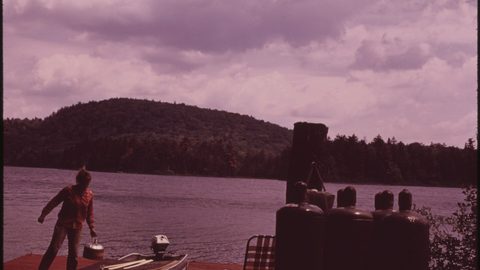 Where to Stay in New York State for a Weekend Base
Choose a New York State weekend base town by drive time from NYC or Boston, diner availability, and seasonal windows that determine whether you get foliage or black flies.
Where to Stay in New York State for a Weekend Base
Choose a New York State weekend base town by drive time from NYC or Boston, diner availability, and seasonal windows that determine whether you get foliage or black flies.
-
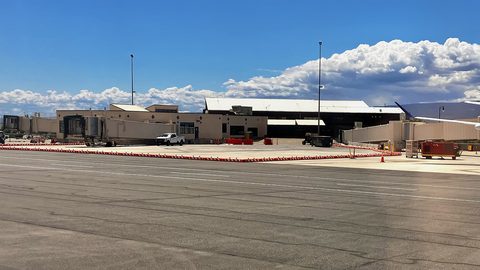 Flying In for a Northeast Weekend and Which Airport Saves the Drive
Which New York airport to fly into for a weekend road trip, ranked by how much drive time each one saves you.
Flying In for a Northeast Weekend and Which Airport Saves the Drive
Which New York airport to fly into for a weekend road trip, ranked by how much drive time each one saves you.
-
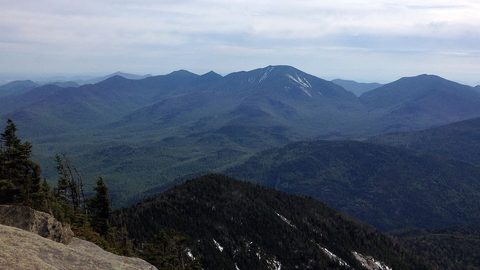 New York State Weekend Drives Worth the Fuel Gauge
New York State weekend drives ranked by honest distance from New York City and Boston, with seasonal windows for foliage, black flies, and mud season that shift each year.
New York State Weekend Drives Worth the Fuel Gauge
New York State weekend drives ranked by honest distance from New York City and Boston, with seasonal windows for foliage, black flies, and mud season that shift each year.
-
 Best Time to Visit New York State for a Weekend Drive
Find the right weekend window for New York State, with foliage, black fly, and mud season timing that shifts year to year, plus the honest case for November and April.
Best Time to Visit New York State for a Weekend Drive
Find the right weekend window for New York State, with foliage, black fly, and mud season timing that shifts year to year, plus the honest case for November and April.
-
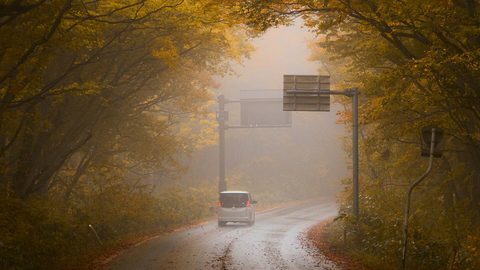 New York State Weekend Routes Worked Out Road by Road
Two-night New York State road trip routes from NYC or Boston, with drive-time bands and season windows for every leg.
New York State Weekend Routes Worked Out Road by Road
Two-night New York State road trip routes from NYC or Boston, with drive-time bands and season windows for every leg.
-
 Catskills
 towns and hikes ranked by real Friday-afternoon drive time from Manhattan, with season windows.
Catskills
Catskills towns and hikes ranked by real Friday-afternoon drive time from Manhattan, with season windows.
-
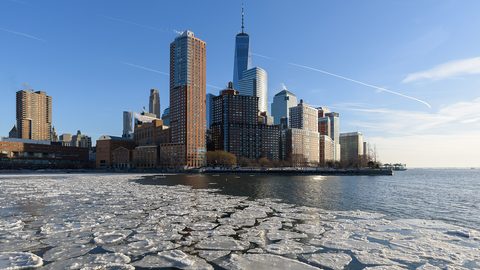 New York City
The weekend starts when you clear the merge. How to leave New York City by car on a Friday and get back in on Sunday without losing hours.
New York City
The weekend starts when you clear the merge. How to leave New York City by car on a Friday and get back in on Sunday without losing hours.
-
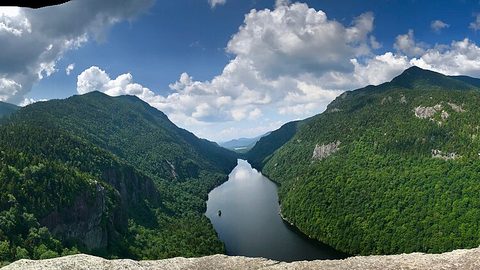 Adirondacks
Adirondack towns and trailheads sorted by drive time from NYC and Boston, with black fly and mud season windows.
Adirondacks
Adirondack towns and trailheads sorted by drive time from NYC and Boston, with black fly and mud season windows.