A Two-Day Driving Radius from New York City and Boston
Plan a Northeast weekend road trip with honest drive times from New York City or Boston, seasonal windows that shift year to year, and the legal status of every abandoned site.
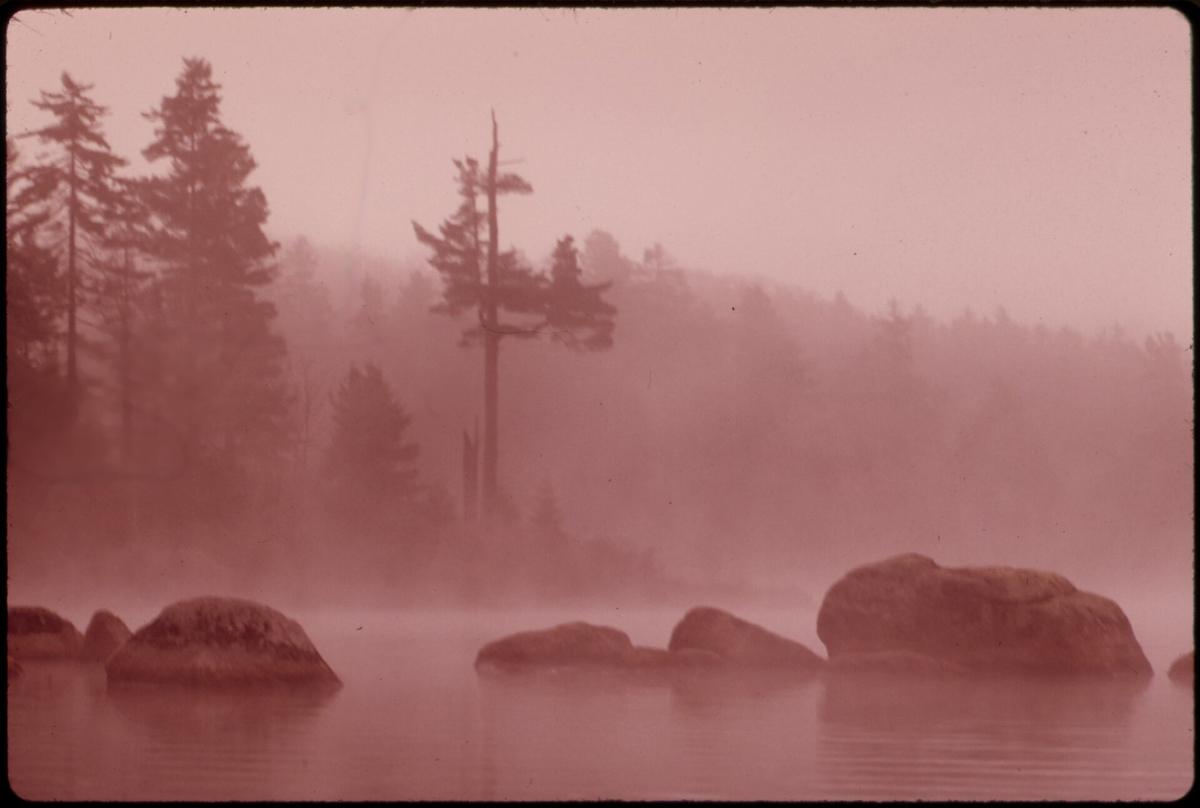

Lake George and the Weekend Radius Trap
You are standing at the edge of the parking lot at Lake George, three hours north of New York City, and it is 4:30 on a Saturday afternoon in July. You have already spent 45 minutes circling for a spot. The boat launch is a wall of body heat. The only motel room left in town costs what a Manhattan studio used to rent for. This is the problem with driving northeast weekend road trips: the places everybody knows about are the places everybody goes. The tradeoff you have not considered is that the real utility of a car on a weekend is not range. It is timing. You can beat the full force of demand by leaving late Friday, arriving after the rush, and waking up before everyone else. Or you can go somewhere the crowds do not reach, because a two day window from a city of 8 million forces hard choices. The radius is smaller than you think. Knowing which trips are actually doable, what honest drive time to expect from New York City or Boston, and which ones to skip if you value your Saturday turns a cramped weekend into open road.
- Hubs: New York City and Boston
- Drive-Time Ring 1: Under 2 hours from NYC or Boston
- Drive-Time Ring 2: 2 to 4 hours from NYC or Boston
- Drive-Time Ring 3: 4 to 6 hours (requires Friday night departure)
- States Reachable Before Lunch from NYC: 3 (New York, New Jersey, Connecticut)
- States Reachable Before Lunch from Boston: 3 (Massachusetts, Rhode Island, New Hampshire)
- Seasons: Summer, Fall Foliage, Winter, Spring/Mud Season
- Trip Types: Family Weekend, Getaway Without Children, Abandoned and Industrial Sites
Ring 1: Under Two Hours. No Excuses.
If you cannot leave until Saturday morning, stay in Ring 1. The drive is short enough that you can arrive, drop bags, and be doing something by lunch. Proximity to the city means proximity to everyone else. The Hudson Valley and the Lower Hudson Highlands from New York City, and the North Shore of Massachusetts or coastal Rhode Island from Boston, are the obvious first stops. They are popular for a reason. The reason is not that they are undiscovered. It is that they work.
Hudson Valley From New York City
Drive time: 60 to 90 minutes, depending on whether you stop at the Palisades or push to Cold Spring. Leave by 07:30 on Saturday. The traffic on the Henry Hudson Parkway and the Palisades Interstate Parkway builds by 09:00 and does not thin until after 11:00. Arrive at Storm King Art Center when gates open at 09:00. You will have two to three hours of uncrowded walking before the bus tours arrive. If you want Cold Spring instead, arrive at the riverfront by 08:30. The Main Street parking fills by 10:00. Do not attempt both Storm King and Dia Beacon on a Saturday. You will lose the day in transit between them. Pick one, commit, and add a hike up Breakneck Ridge if you still have four hours of daylight. Breakneck is a rock scramble, not a walk. Do not try it in wet shoes or with children under ten.
Litchfield Hills From New York City
Drive time: 90 minutes from midtown to the Connecticut state line, roughly two hours to Kent. The Housatonic River valley is quieter than the Hudson corridor. The reason is straightforward: fewer landmarks, more forest, less infrastructure for big crowds. The Appalachian Trail crosses through. The downside is that dining options are limited after 20:00 in most towns. Book a dinner reservation before you leave New York, or pack a picnic. The Kent Falls State Park trail to the top of the falls is steep and takes 15 minutes. Worth it for the view, not for the hike itself. Skip the covered bridge photo stop if the lot is full. There are other covered bridges nearby that nobody photographs.
North Fork of Long Island From New York City
Drive time: 90 minutes to Riverhead, two hours to Greenport on a good day. A good day is not a Friday in July or a Saturday in October. The Long Island Expressway backs up from exit 51 eastward weekly in summer. Leave by 06:00 or do not leave at all. The payoff is wine tasting without the Hamptons price structure. The tradeoff is that the North Fork has almost no walkable downtown clusters. You drive from vineyard to vineyard. Designate a driver or book a van tour. The Greenport ferry to Shelter Island adds 40 minutes and requires reservations in summer. Skip it if you have less than six hours on the North Fork.
Jersey Shore From New York City
Drive time from New York City: 60 minutes to Sandy Hook, 90 minutes to Asbury Park. From Boston: not worth it. The four-plus-hour drive to even the northernmost shore towns makes this a one-night trip, not a weekend. Boston readers should stick with Cape Cod or the New Hampshire coast. For New York readers, Asbury Park is the correct choice if you want boardwalk energy and music history. Book a room within walking distance of the boardwalk and park your car for the weekend. Street parking in Asbury Park is metered and aggressive. Do not pay for a spot marked private. The towing companies are fast. If you want quiet, go to Spring Lake, 15 minutes south. If you want abandoned industrial sites, the old Sandy Hook gun batteries at Fort Hancock are on federal land. They are walkable and free. The former Naval Weapons Station Earle in Colts Neck is on state land. The pier is not open. Do not attempt entry.
North Of Boston: New Hampshire Coast and Southern Maine
Drive time from Boston: 50 minutes to Hampton Beach, New Hampshire, 70 minutes to Portsmouth. Portsmouth is the better choice. It has a walkable downtown, restaurants that serve past 21:00, and the Strawbery Banke Museum, a living history site that respects its source material. The Kittery Outlets, just across the Maine border, are the downside of the geography. They are convenient and flat. If you go, go early. The parking lot is a hazard by 11:00. Skip the Portsmouth Harbor Lighthouse. The grounds are open, but the tower opens only on select Sundays. Check the schedule.
Ring 2: Two to Four Hours. Requires a Plan.
Ring 2 is where the weekend starts to feel like a trip instead of an outing. The Berkshires from either New York City or Boston, the Green Mountains from Boston, the Poconos from New York City, and the Finger Lakes eastern edge from either hub are all within range. The condition is that you must leave by Friday at 17:00 or accept that you will lose four hours of Saturday to the road. The tradeoff is that Ring 2 offers the best density of lodging that is cheaper than Ring 1 and quieter than Ring 3.
The Berkshires From New York City and Boston
Drive time from New York City: 2.5 hours to Great Barrington, 3 hours to Williamstown. From Boston: 2 hours to Lenox, 2.5 hours to Williamstown. The Berkshires reward a single focus. If you are going for Tanglewood in summer, park at the lot and do not plan a second activity that day. The concert traffic is a known gridlock. If you are going for the Massachusetts Museum of Contemporary Art in North Adams, budget 3 hours inside the building. It is not a gallery. It is a building complex that requires walking between buildings on a former factory campus. The downside is the dining. Restaurants in the Berkshires close early. The last seating in most towns is 20:30. Confirm by phone. The website may not be updated.
Green Mountains From Boston
Drive time: 3 hours to Brattleboro, 3.5 hours to Manchester. From New York City: 4 hours to Brattleboro. That is Ring 3. Boston has the better access. The Green Mountains in fall foliage season are the single most crowded weekend destination within a 3-hour drive of Boston. The only way to manage it is to book lodging in a non-foliage town like Bennington and drive into the higher terrain. Bennington is 30 minutes from the higher-elevation color. The downside is that Bennington itself has less to do after dark. If you are going in winter, Bromley Mountain is the family-friendly option with lower prices than Stratton. Stratton is the better option for couples who want slopeside lodging and a spa. Both are open to the public. No special permits required.
The Poconos From New York City
Drive time: 2 hours to Delaware Water Gap, 2.5 hours to Stroudsburg. The Poconos are the budget option on this list. The reason is the aging lodging stock. The region has not reinvested at the same rate as the Catskills. You get a room, a pool, and not much else for a lower price. The upside is hiking access. The Delaware Water Gap National Recreation Area is underutilized by New York weekenders. Park at the Dunnfield Creek trailhead and hike to the Mount Tammany overlook. The trail is 3.5 miles out and back, steep, and rocky. Bring water. The view of the Water Gap from the ridge is better than the view from the river below. The downside: the Poconos are a car-dependent region. You cannot walk from a rental cabin to anything. Stock your rental with groceries before you arrive.
Newport, Rhode Island From Boston
Drive time: 1.5 hours from Boston, 3.5 hours from New York City. New York readers should only try this as an overnight. Boston readers can day trip it. The Cliff Walk is the reason to go. It is 3.5 miles of public shoreline with the Gilded Age mansions on one side and the Atlantic on the other. Entry is free. The condition is that you do not attempt the full walk in high winds or after rain. The path is uneven and sections are unpaved. The Breakers mansion is the most visited. The ticket includes an audio guide. Book online 48 hours ahead in summer. The wait at the box office hits 45 minutes.
Abandoned and Industrial Sites in Ring 2
For urban explorers and photographers, the Ruins of the Old Croton Aqueduct in Westchester County, New York, are on state land and open to the public. The aqueduct is a 26-mile linear trail. The visible stone arches sit between Dobbs Ferry and Yonkers. Do not enter any tunnel sections. Some are structurally unsound. The Hoffmaster Plant in Bridgeport, Connecticut, is private property. Entry is a criminal offence. Do not attempt. The former Hoosac Tunnel portal near North Adams, Massachusetts, is on state land and visible from a public pull-off. Do not enter the tunnel. It is active rail. The canal ruins at the Blackstone River Valley National Historical Park in Rhode Island are on federal land and open to the public. The walk from the visitor center is 15 minutes.
Ring 3: Four to Six Hours. Only for a Friday Night Departure.
Ring 3 is for people who can leave work at 16:00 on Friday and drive through darkness. The destinations are worth it: the Maine coast from Portland to Acadia, the White Mountains in New Hampshire, the far Adirondacks around Lake Placid, Burlington, Vermont, Montreal, Quebec, and the full Finger Lakes region. The tradeoff is that Friday night is lost to driving. You arrive at 22:00, find a diner, and sleep. Saturday becomes your only full day. Sunday you drive back. It works if you want a change of region. It fails if you want a relaxed Saturday.
Maine Coast From Boston
Drive time: 2 hours to Portland, 4 hours to Bar Harbor. From New York City: 5 hours to Portland, 8 hours to Bar Harbor. New York readers should not attempt Bar Harbor in a weekend. Portland is the realistic target. The drive is 5 hours without traffic. Traffic on I-95 north of Boston on Friday evening adds 45 to 90 minutes. The Old Port district is walkable. The lobster rolls at Eventide Oyster Co. are worth the line. Do not stand in the line. Order from the walk-up window. The Portland Head Light is free to view from the parking lot. The museum inside charges a fee. Skip it. The Eastern Promenade trail is a better walk. It is 2 miles along the water.
White Mountains From Boston
Drive time: 3 hours to Lincoln, 3.5 hours to North Conway. From New York City: 5.5 hours. Boston readers have the advantage. The Kancamagus Highway is the highest-risk drive in the region. It is narrow, winding, and congested in fall and summer. Drive it at dawn. The Flume Gorge is a 2-mile walk through a granite gorge with boardwalks. The entry fee is $18 for adults (2024 rate, New Hampshire State Parks). Book the time slot online. The walk fills by 10:00. The downside of the White Mountains in winter is that the roads close without notice. Check the New Hampshire Department of Transportation website before you leave. Do not rely on mapping apps.
Far Adirondacks From New York City and Boston
Drive time from New York City: 5 hours to Lake Placid. From Boston: 4.5 hours. The Adirondack High Peaks region is for hikers who want elevation. The trailhead for Mount Marcy, the highest peak in New York, is at the Adirondack Loj. The hike is 14 miles round trip. Do not attempt it in a weekend if you are not a conditioned hiker. Cascade Mountain is the better weekend option. It is 4.4 miles round trip with an elevation gain of 1,900 feet. The view from the summit of the High Peaks is worth the climb. The downside is parking. The lot at the Adirondack Loj fills by 07:30 in summer. Arrive at 06:00 or park at the overflow lot on South Meadow Road and walk the extra mile.
Montreal From New York City and Boston
Drive time from New York City: 6 hours without border wait. From Boston: 5 hours. Montreal is the only international option in this coverage area. The requirement is a valid passport or enhanced driver's license. The border crossing at Champlain, New York, is the busiest. Cross before 08:00 on Saturday or after 20:00 on Friday. Nexus card holders save 30 to 60 minutes on average. The downside is that Montreal in winter is cold. Average January high is 21 degrees Fahrenheit. Reserve indoor activities. The Montreal Museum of Fine Arts and the underground city are the correct choices. The bagel shops on St. Laurent Boulevard are open late. St. Viateur Bagel is the correct one. The Schwartz's Deli line is a 40-minute wait on weekend evenings. Order takeout and eat at a park bench.
Abandoned and Industrial Sites in Ring 3
The abandoned Bannerman Castle on Pollepel Island in the Hudson River is open to the public only via guided tour. The tour departs from Beacon, New York. The 2024 rate was $45 per adult. Do not attempt to kayak to the island. The current is dangerous and the property is enforced. The Adirondack iron mining ruins at the Old Forge area are on state land. The trail to the abandoned McIntyre Mine is free and open. The mine entrance is gated. Do not climb the gate. The Fort Ticonderoga ruins are on private land operated by a non-profit. The grounds are open to the public with a ticket. The 2024 rate was $22 per adult. The ruins of the Crown Point fortification are on state land and free to walk.
| Destination | From NYC (Hours) | From Boston (Hours) | Best Season |
|---|---|---|---|
| Hudson Valley / Beacon | 1 to 1.5 | 3.5 to 4 | Spring, Summer, Fall |
| Berkshires (Lenox) | 2.5 to 3 | 2 to 2.5 | Summer, Fall, Winter |
| Green Mountains (Manchester) | 4 | 3 to 3.5 | Fall, Winter |
| Newport, RI | 3.5 | 1.5 | Summer, Spring |
| Maine Coast (Portland) | 5 to 5.5 | 2 | Summer, Fall |
| White Mountains (North Conway) | 5.5 | 3 to 3.5 | Fall, Winter |
| Far Adirondacks (Lake Placid) | 5 | 4.5 | Summer, Fall, Winter |
| Montreal, QC | 6 | 5 | Summer, Fall, Winter |
How Each Season Changes the Equation
The same drive time yields a different experience depending on when you go. The season is not scenery. It is availability, pricing, and traffic.
Summer: Memorial Day To Labor Day
Summer is the most expensive season for Ring 1 and Ring 2 destinations. Rates on Cape Cod, the Jersey Shore, and the Lake George corridor double. The solution is to go midweek or to target destinations without water access. The Litchfield Hills and the inland Berkshires do not have the same seasonal markup. The traffic on the Long Island Expressway and I-95 through Connecticut is predictable: Friday 15:00 to 19:00 is a parking lot. Leave at 14:00 or after 20:00.
Fall Foliage: Late September To Late October
Fall is the most crowded season for every destination with trees. The Berkshires, Green Mountains, and White Mountains are the worst offenders. The only way to manage cost is to book by August. Lodging in the Finger Lakes between late September and mid-October requires a two-night minimum. Do not trust the foliage prediction maps. Call the local chamber of commerce the Wednesday before your trip. They know the current color. The peak window runs roughly 10 to 14 days.
Winter: December To March
Winter is the most affordable season for destinations that do not have skiing. The Hudson Valley and Litchfield Hills see rates drop by 30 to 50 percent. The tradeoff is that outdoor attractions like Storm King and the outdoor sculpture parks close or reduce hours. Verify before you drive. The driving risk is real. Snow tires are not a suggestion. They are necessary for the Adirondacks, Green Mountains, and White Mountains. The New York State Thruway is cleared within 12 hours of a storm. The secondary roads are not.
Spring / Mud Season: April To Mid-May
Spring is the least predictable season. Trails may be closed due to mud in the Adirondacks and Green Mountains. The hiking season does not begin until late May at elevations above 2,000 feet. The upside is low volume. You can have the Berkshires and the Hudson Valley almost to yourself. The downside is that some restaurants and attractions operate on reduced hours in April. Call ahead. Do not assume the website is accurate.
Read next
-

 New York
How the major regions of New York State compare for a weekend road trip, sorted by drive time and season.
New York
How the major regions of New York State compare for a weekend road trip, sorted by drive time and season.
-
 Massachusetts
Two-night Massachusetts road trip routes from Boston or New York, covering coast, city, and the Berkshires.
Massachusetts
Two-night Massachusetts road trip routes from Boston or New York, covering coast, city, and the Berkshires.
-
 Maine
The southern Maine coast lures weekenders with lighthouses and lobster, but the drive from New York City is longer than the map suggests.
Maine
The southern Maine coast lures weekenders with lighthouses and lobster, but the drive from New York City is longer than the map suggests.
-
 Weekends Away on the East Coast Without the Children in Tow
A two-day East Coast weekend with friends and no children, built around drive times from New York City and Boston and the logistics nobody writes down.
Weekends Away on the East Coast Without the Children in Tow
A two-day East Coast weekend with friends and no children, built around drive times from New York City and Boston and the logistics nobody writes down.
-
 Taking a Weekend Off and the Logistics Nobody Writes Down
A mom weekend away on the East Coast, planned around the real logistics of leaving a household, with drive times from New York City and Boston.
Taking a Weekend Off and the Logistics Nobody Writes Down
A mom weekend away on the East Coast, planned around the real logistics of leaving a household, with drive times from New York City and Boston.
-
 The Law and the Hazards Before You Go Anywhere Near a Ruin
A plain-language look at trespass law in New York State and the physical hazards of abandoned structures, before you go anywhere near a ruin.
The Law and the Hazards Before You Go Anywhere Near a Ruin
A plain-language look at trespass law in New York State and the physical hazards of abandoned structures, before you go anywhere near a ruin.
-
 Driving With Kids From NYC or Boston: Stops, Fatigue and the Third Hour
A two-day Northeast road trip with kids lives or dies by the third hour. Here are the break points, bathroom stops, and rain plans from NYC or Boston.
Driving With Kids From NYC or Boston: Stops, Fatigue and the Third Hour
A two-day Northeast road trip with kids lives or dies by the third hour. Here are the break points, bathroom stops, and rain plans from NYC or Boston.
-
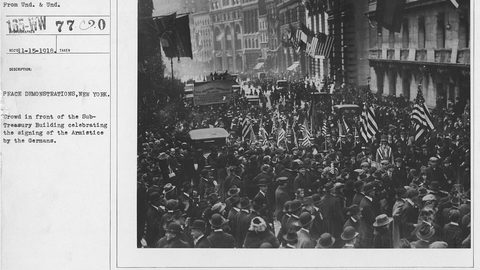 Boston or New York City for a 48-Hour Weekend Trip From Either
Boston rewards a compact, walkable history crawl while New York City demands stamina and a car-parking strategy. Pick based on the energy you actually want.
Boston or New York City for a 48-Hour Weekend Trip From Either
Boston rewards a compact, walkable history crawl while New York City demands stamina and a car-parking strategy. Pick based on the energy you actually want.
-
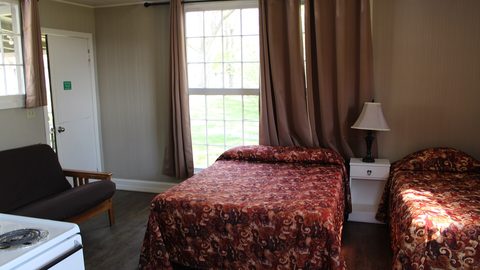 Cabin, Motel or Hotel for a Northeast Weekend Trip From the City
A cabin gives you solitude and a kitchen but puts you in mud season and black fly territory. A hotel handles the logistics so you can focus on the escape.
Cabin, Motel or Hotel for a Northeast Weekend Trip From the City
A cabin gives you solitude and a kitchen but puts you in mud season and black fly territory. A hotel handles the logistics so you can focus on the escape.