Understanding Trespass Law and Physical Risk at Abandoned Sites
A plain-language look at trespass law in New York State and the physical hazards of abandoned structures, before you go anywhere near a ruin.


Trespass Law in New York, Massachusetts, and Pennsylvania Is Not a Warning
Most people assume that entering a derelict structure is a minor offence. A warning. A fine. A cop telling you to leave. That is not how New York, Massachusetts, or Pennsylvania treat it. In those three states, the first step onto posted or enclosed private land can be a criminal charge with no warning, no grace period, and no option to walk away. What follows is a blunt factsheet on the laws that apply and the physical hazards that kill people inside these structures. It exists as a single authoritative warning for anyone scouting vacant sites within a five-hour drive of New York City or Boston. If you are planning to enter, read this first.
Criminal Trespass in New York: the Actual Charges
New York Penal Law defines trespass in three degrees. The one that matters for most empty buildings is criminal trespass in the third degree under NY Penal Law § 140.05. It applies when you knowingly enter or remain unlawfully on premises. It is a violation, not a misdemeanor, and carries no jail time, but it appears on your record. The threshold is low. If the site is fenced or enclosed to exclude intruders, you are inside that threshold the moment you cross the boundary.
When Trespass Becomes a Misdemeanor or Felony
Criminal trespass in the second degree is a Class A misdemeanor. It applies when you knowingly enter a dwelling. A dwelling includes any structure used for overnight lodging, even if it is derelict. A factory or warehouse is not a dwelling. A collapsed boarding house is.
First degree trespass is a Class D felony. It applies if you enter a structure while carrying an explosive or a deadly weapon. That includes a crowbar, a knife, or a tool that a prosecutor can argue as a weapon. Carrying a lockpick or a bolt cutter puts you in this territory.
Posted Land and Locked Structures
Posting rules are specific. In New York, a posted sign must be at least 11 inches square, with the word POSTED in letters at least 4 inches high, placed at intervals no more than 660 feet apart along the boundary. If you see those signs, you have been forbidden by notice. That eliminates the argument that you did not know.
A locked structure changes everything. If the building is locked or secured and you enter with intent to commit any crime inside, even petty larceny, you face burglary in the third degree, a Class D felony. Intent to commit a crime is easy for prosecutors to establish in a vacant structure. Stealing copper wire. Removing fixtures. Taking anything that is not yours.
Photography from Public Land Is Legal
Photographing a ruin from a public right of way is not trespass. The structures are visible from public property. No reasonable expectation of privacy applies. Stand on the sidewalk or the street and take all the photos you want. Do not set foot on the private land.
Massachusetts and Pennsylvania: Different Laws, Same Result
Massachusetts treats trespass harder from the start. Under MGL Chapter 266 Section 120, trespass is a criminal charge on the first offence. There is no violation for a warning. You are charged if you enter after being forbidden directly or by posted notice. Posted signs must be at least 6 inches by 6 inches with the words No Trespassing in letters at least 2 inches high and placed every 100 feet. A locked building elevates the charge to breaking and entering under MGL Chapter 266 Sections 16 through 18, a felony. Damage over $1,200 is a felony under MGL Chapter 266 Section 127.
Pennsylvania uses two categories. Simple trespass under 18 Pa.C.S. § 3503 is a summary offence. Defiant trespass, where you enter after being told not to or after seeing posted signs, is a misdemeanor of the third degree. Signs must be at least 8 inches by 10 inches with letters at least 2 inches high at intervals no greater than 500 feet. Entering a locked building raises it to burglary under 18 Pa.C.S. § 3502, a first or second degree felony. Criminal mischief over $1,000 is a third degree felony under 18 Pa.C.S. § 3304.
The Physical Hazards That Kill
Legal risk is a fine or jail time. Physical risk is death. Floor collapse is the leading cause of injury in vacant structures. Rotting wood, corroded steel, and water damage turn a floor into a trapdoor. You step on what looks solid and fall through to the basement or the floor below. Uncovered shafts, elevator openings, and stairwell voids are number two. They are often hidden by debris.
Asbestos, Lead, and Carbon Monoxide
Asbestos and lead dust are present in almost every pre-1980 building. Asbestos abatement is regulated under EPA NESHAP 40 CFR Part 61 Subpart M for demolition. Lead is regulated under EPA 40 CFR Part 745. You cannot see either. You breathe them in and the damage accumulates over decades. Wear a respirator with a P100 filter. A dust mask does nothing.
Carbon monoxide kills in enclosed spaces. Generators left running, decaying organic matter, and incomplete combustion in confined areas produce CO that is odourless and colourless. In a basement or sealed room, you lose consciousness in minutes. Tetanus from puncture wounds is slower but also deadly. Clostridium tetani spores live in soil and rusted metal. A single nail through the sole of a boot can infect you.
How to See Abandoned Sites Legally
Book a guided operator with property owner permission, liability insurance, and a clear waiver. That is the only safe way inside a ruin. Two operators work in the Northeast. Buffalo History Tours runs permitted access with hard hats, respirators, and closed toe shoes required. Their 2024 rate was $20 to $60 per person. Hudson Valley Ruins offers similar access to specific sites with the same equipment requirements. Both sign you up with a liability waiver. Neither allows unaccompanied exploration.
Reporting a Dangerous Abandoned Site
If you see a structural hazard or hazardous material at a derelict site, do not enter. Report it. In New York, call the NYS Department of Environmental Conservation Spill Hotline at 1-800-457-7362 for hazardous materials. For structural hazards, contact the local code enforcement or building department. In Massachusetts, call MassDEP at 1-888-304-1133. In Pennsylvania, call PA DEP at 1-800-541-2050.


| State | Base Charge | Classification | Posted Sign Size | Locked Structure Penalty |
|---|---|---|---|---|
| New York | Criminal Trespass 3rd Degree | Violation | 11" x 11" | Burglary 3rd, Class D Felony |
| Massachusetts | Trespass | Criminal Charge | 6" x 6" | Breaking & Entering, Felony |
| Pennsylvania | Simple Trespass | Summary Offence | 8" x 10" | Burglary, 1st/2nd Degree Felony |
Northeast Trespass and Structural Collapse
Blunt by design, the legal and physical hazards of Northeast ruins exist to prevent you from making a mistake that costs you money, a criminal record, or your life. Most people who enter vacant sites in the Northeast will get away with it. Most people who get caught will tell you the same story. They thought it was fine. They thought they would hear someone coming. They thought the floor looked solid. The single thing that most often goes wrong is complacency. You assume the risk is low because the structure has been standing for decades and you have watched videos of other people inside. That assumption is the thing that kills you.
Read next
-

 New York
How the major regions of New York State compare for a weekend road trip, sorted by drive time and season.
New York
How the major regions of New York State compare for a weekend road trip, sorted by drive time and season.
-
 Massachusetts
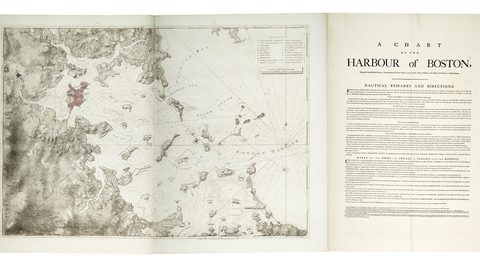
Two-night Massachusetts road trip routes from Boston or New York, covering coast, city, and the Berkshires.
Massachusetts
Two-night Massachusetts road trip routes from Boston or New York, covering coast, city, and the Berkshires.
-
 Maine
The southern Maine coast lures weekenders with lighthouses and lobster, but the drive from New York City is longer than the map suggests.
Maine
The southern Maine coast lures weekenders with lighthouses and lobster, but the drive from New York City is longer than the map suggests.
-
 Northeast Weekend Trips You Can Actually Drive in Two Days
Plan a Northeast weekend road trip with honest drive times from New York City or Boston, seasonal windows that shift year to year, and the legal status of every abandoned site.
Northeast Weekend Trips You Can Actually Drive in Two Days
Plan a Northeast weekend road trip with honest drive times from New York City or Boston, seasonal windows that shift year to year, and the legal status of every abandoned site.
-
 Weekends Away on the East Coast Without the Children in Tow
A two-day East Coast weekend with friends and no children, built around drive times from New York City and Boston and the logistics nobody writes down.
Weekends Away on the East Coast Without the Children in Tow
A two-day East Coast weekend with friends and no children, built around drive times from New York City and Boston and the logistics nobody writes down.
-
 Taking a Weekend Off and the Logistics Nobody Writes Down
A mom weekend away on the East Coast, planned around the real logistics of leaving a household, with drive times from New York City and Boston.
Taking a Weekend Off and the Logistics Nobody Writes Down
A mom weekend away on the East Coast, planned around the real logistics of leaving a household, with drive times from New York City and Boston.
-
 Driving With Kids From NYC or Boston: Stops, Fatigue and the Third Hour
A two-day Northeast road trip with kids lives or dies by the third hour. Here are the break points, bathroom stops, and rain plans from NYC or Boston.
Driving With Kids From NYC or Boston: Stops, Fatigue and the Third Hour
A two-day Northeast road trip with kids lives or dies by the third hour. Here are the break points, bathroom stops, and rain plans from NYC or Boston.
-
 Boston or New York City for a 48-Hour Weekend Trip From Either
Boston rewards a compact, walkable history crawl while New York City demands stamina and a car-parking strategy. Pick based on the energy you actually want.
Boston or New York City for a 48-Hour Weekend Trip From Either
Boston rewards a compact, walkable history crawl while New York City demands stamina and a car-parking strategy. Pick based on the energy you actually want.
-
 Cabin, Motel or Hotel for a Northeast Weekend Trip From the City
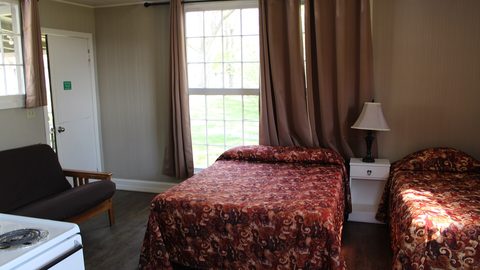
A cabin gives you solitude and a kitchen but puts you in mud season and black fly territory. A hotel handles the logistics so you can focus on the escape.
Cabin, Motel or Hotel for a Northeast Weekend Trip From the City
A cabin gives you solitude and a kitchen but puts you in mud season and black fly territory. A hotel handles the logistics so you can focus on the escape.